
Blinds, DIY Blinds
Beat the Electricity Price Hikes: How Blinds Insulate Your Home

27
May
May
Combat Rising Electricity Costs with Blinds
Blinds are an effective solution to counteract rising electricity prices by improving your home’s insulation. These blinds help maintain indoor temperatures by trapping air, reducing the reliance on air conditioning and heaters. This not only keeps your home comfortable year-round but also significantly cuts down on energy costs, making them a smart investment for any household.
- Blinds enhance insulation, reducing energy costs.
- They help maintain comfortable indoor temperatures year-round.
- Blinds minimise the need for air conditioning and heating.
- They are a cost-effective investment for energy savings.
- Blinds contribute to a more sustainable lifestyle.
Understanding Blinds
Blinds are crafted to enhance a home’s energy efficiency by providing superior insulation. Unlike standard window coverings, blinds are designed with materials that trap air, creating an insulating barrier between the window and the room. This barrier helps to maintain a stable indoor temperature, reducing the need to rely heavily on heating and cooling systems. By installing blinds, homeowners can enjoy a more consistent indoor climate, which translates to lower energy consumption and reduced electricity bills.
The effectiveness of blinds lies in their construction. Typically, these blinds are made with multiple layers of fabric, including a reflective layer that deflects sunlight and a thick insulating layer that prevents heat transfer. This combination not only keeps the heat out during summer but also retains warmth during winter. As a result, blinds are a versatile solution for year-round energy savings, making them an attractive option for environmentally conscious consumers.
The Science Behind Insulation
Insulation is a key factor in maintaining energy efficiency in any building. Blinds contribute to this by acting as an additional layer of insulation for windows, which are often the weakest point in a home’s envelope. Windows can account for a significant portion of heat loss in winter and heat gain in summer. By installing blinds, homeowners can effectively reduce these losses and gains, leading to a more energy-efficient home.
The principle of insulation is based on reducing the transfer of heat through conduction, convection, and radiation. Blinds address all three modes of heat transfer. The materials used in these blinds slow down the conduction of heat through the window, while the air pockets created by their structure reduce convection currents. Additionally, the reflective surfaces of the blinds help minimise heat transfer through radiation. This comprehensive approach to insulation makes blinds a powerful tool in combating rising electricity costs.
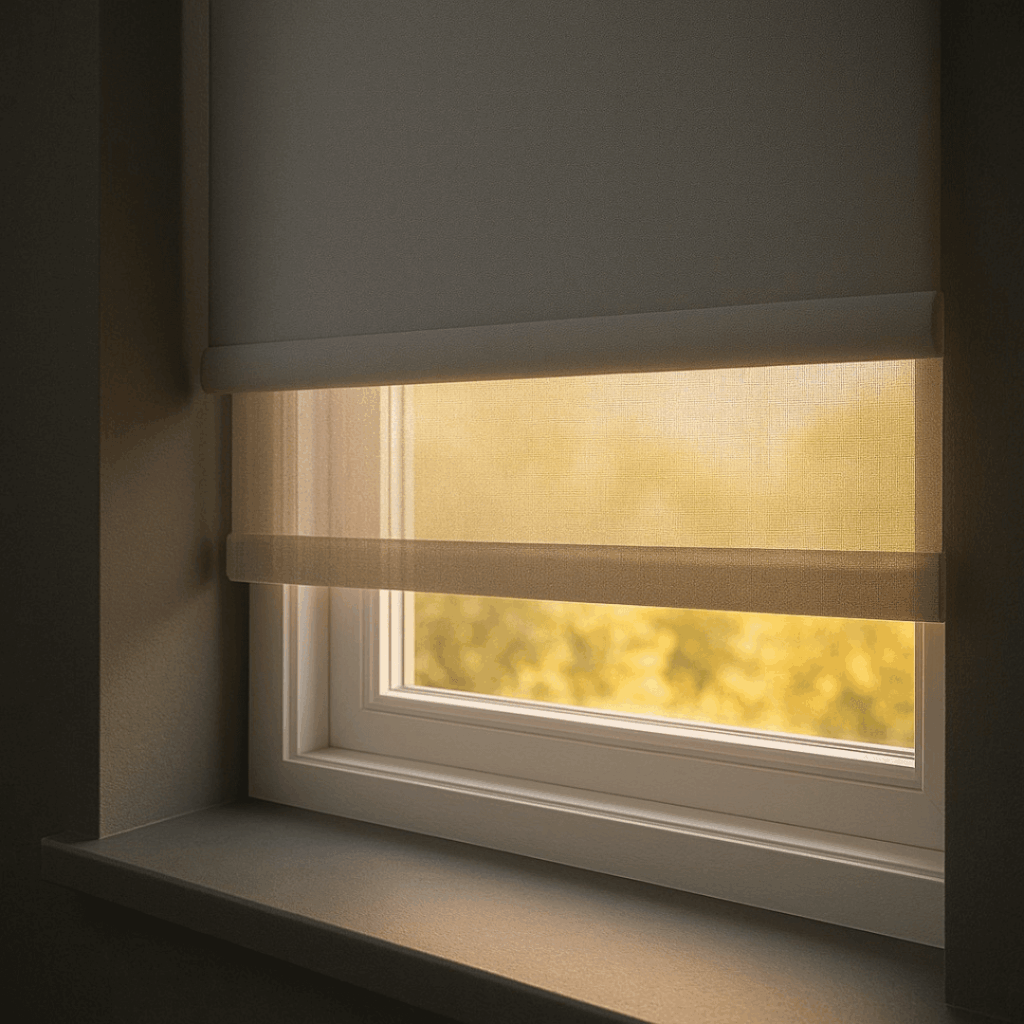
Benefits of Blinds
One of the primary benefits of blinds is their ability to lower energy bills. By reducing the need for heating and cooling, these blinds can lead to substantial savings over time. This makes them a cost-effective investment for homeowners looking to cut down on their electricity expenses. In addition to financial savings, blinds contribute to a more sustainable lifestyle by decreasing energy consumption and reducing carbon footprints.
Beyond energy savings, blinds offer several other advantages. They enhance privacy by blocking outside views, and their thick construction also helps to dampen noise, creating a quieter indoor environment. Moreover, blinds are available in a variety of styles and colours, allowing homeowners to choose options that complement their interior décor while providing practical benefits.

Choosing the Right Blinds
Selecting the right blinds involves considering several factors, including the type of window, the desired level of insulation, and personal style preferences. Honeycomb blinds, also known as cellular shades, are a popular choice due to their excellent insulating properties. Their unique structure creates air pockets that trap heat, making them highly effective at maintaining indoor temperatures.
Blockout roller blinds are another option, offering both insulation and light control. These blinds are ideal for bedrooms and media rooms where darkness is desired, as they can completely block out sunlight. When choosing blinds, it’s important to weigh the benefits of different styles and select the option that best meets your needs. Consulting with a professional can also help ensure you make the right choice for your home.
Installation and Maintenance
Installing blinds is a straightforward process that can be completed by most homeowners. These blinds are available in various sizes and can be custom-made to fit any window, ensuring a perfect fit and optimal performance. When selecting blinds, it’s important to consider the specific needs of your home, such as the direction of the windows and the local climate, to maximise their effectiveness.
Maintenance of blinds is relatively simple. Regular dusting and occasional cleaning with a damp cloth are usually sufficient to keep them in good condition. It’s important to follow the manufacturer’s care instructions to ensure the longevity of the blinds. With proper care, blinds can provide years of energy savings and comfort, making them a worthwhile addition to any home.
Maximising Energy Savings
To maximise the energy-saving potential of blinds, it’s important to use them strategically. During the summer, keeping the blinds closed during the hottest parts of the day can prevent heat from entering the home. In winter, opening the blinds during sunny days can allow natural warmth to enter, while closing them at night retains heat. By understanding and leveraging the benefits of blinds, homeowners can significantly reduce their reliance on artificial heating and cooling, leading to lower electricity bills and a more comfortable living environment.
Frequently Asked Questions
How do blinds reduce energy costs?
Blinds reduce energy costs by providing an additional layer of insulation for windows, which are often a major source of heat loss and gain. By trapping air and minimising heat transfer, these blinds help maintain a stable indoor temperature, reducing the need for heating and cooling systems.
In addition to lowering energy consumption, blinds contribute to a more comfortable home environment. They block out harsh sunlight in summer and retain warmth in winter, ensuring a consistent indoor climate. This dual function makes them a valuable investment for anyone looking to cut electricity expenses.
Are blinds easy to install?
Yes, blinds are generally easy to install and can be fitted by most homeowners. They are available in various sizes and can be custom-made to fit any window, ensuring a perfect fit. Installation typically involves mounting brackets and attaching the blinds, which can be done with basic tools.
For those who prefer professional installation, many suppliers offer this service at an additional cost. Proper installation is crucial for maximising the energy-saving benefits of blinds, so it’s important to ensure they are fitted correctly.
What materials are used in blinds?
blinds are made from materials designed to enhance insulation and energy efficiency. Common materials include multiple layers of fabric, with a reflective layer to deflect sunlight and a thick insulating layer to prevent heat transfer.
These materials work together to create an effective barrier against heat loss and gain, making blinds a practical solution for improving home energy efficiency. The choice of materials also allows for a variety of styles and colours, ensuring that blinds can complement any interior décor.
Can blinds help with noise reduction?
Yes, blinds can help with noise reduction due to their thick construction and insulating properties. The multiple layers of fabric used in these blinds can dampen outside noise, creating a quieter indoor environment.
This noise reduction benefit is particularly useful in urban areas or homes located near busy roads. By installing blinds, homeowners can enjoy a more peaceful living space while also benefiting from improved energy efficiency.
Do blinds require special maintenance?
blinds do not require special maintenance and are relatively easy to care for. Regular dusting and occasional cleaning with a damp cloth are usually sufficient to keep them in good condition. It’s important to follow the manufacturer’s care instructions to ensure the longevity of the blinds.
With proper care, blinds can provide years of energy savings and comfort. Their durability and low maintenance requirements make them a practical choice for homeowners looking to enhance their home’s energy efficiency.
